There’s a certain rhythm to doing laundry. Wash, dry, fold—simple enough. You don’t think much about it until something breaks that rhythm. And when the dryer stops working properly, you feel it almost immediately.
Clothes come out damp. Cycles take longer. Or worse, the machine just sits there, humming without doing much at all. It’s one of those small inconveniences that quietly turns into a bigger problem if you let it.
The Frustration of Damp Clothes and Delayed Days
A dryer is supposed to make life easier. It’s the final step, the part where everything comes together. So when it fails, even slightly, it throws off your entire routine.
One of the most common complaints people face is incomplete drying. You run a full cycle, maybe even two, and the clothes still feel heavy. Not soaking, but not dry either.
That’s where dryer repair becomes more than just a maintenance task—it becomes necessary. Because let’s be honest, no one has the time or patience to air-dry loads of laundry every other day.
And while it might seem like a minor issue at first, it rarely stays that way.
When Heat Just Isn’t There
At the heart of most dryer issues lies one key problem—lack of heat. Or at least, inconsistent heat.
Heating problems can show up in different ways. Sometimes the dryer produces no heat at all. Other times, it heats up but not enough to do the job properly. You might notice longer drying times, or clothes that come out warm but still damp.
There are several reasons this can happen. A faulty heating element, a blown thermal fuse, or even clogged vents can all interfere with proper heat generation. It’s not always obvious what the cause is, which makes it tricky to diagnose without experience.
And here’s the thing—running a dryer repeatedly without proper heat doesn’t just waste time. It increases energy consumption and puts unnecessary strain on the machine.
The Hidden Role of Power and Wiring
Sometimes, the issue isn’t about heat at all—it’s about power. More specifically, how that power is being delivered.
Problems with electrical connections can cause a dryer to behave unpredictably. It might turn on but not function fully, or shut off mid-cycle without warning. In some cases, only certain features work while others don’t.
This can be confusing because the machine appears to be “on,” yet it’s not performing as expected.
Electrical issues aren’t something to take lightly. They can affect not just the appliance, but also safety within the home. Loose wiring, damaged cords, or faulty internal connections can lead to bigger problems if left unchecked.
The DIY Question: When to Try, When to Step Back
Like with most appliances, there’s always the temptation to fix things yourself. A quick search online, a few basic tools, and it feels manageable.
And in some cases, it is.
Cleaning lint filters, checking vents, and ensuring the dryer is properly plugged in are all simple steps that can solve minor issues. These are good habits, really—preventive care that keeps things running smoothly.
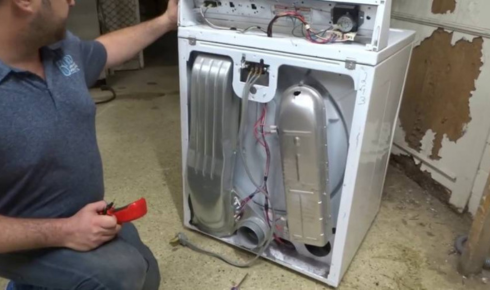
But beyond that, things get complicated quickly. Opening up the dryer, dealing with internal parts, or handling electrical components requires more than just basic knowledge.
It’s not about avoiding DIY altogether—it’s about knowing when the risk outweighs the reward.
Why Small Delays Lead to Bigger Problems
It’s easy to ignore a dryer that’s “almost working.” After all, it still runs. It still dries clothes—eventually.
But that’s exactly how small issues turn into bigger ones.
A clogged vent today might overheat the system tomorrow. A weak heating element could fail completely after repeated use. What starts as a minor inconvenience can become a full breakdown.