There’s a moment—usually in the morning—when you turn on the tap or step into the shower and everything feels… right. The pressure is steady, the flow is smooth, nothing sputters or hesitates. You don’t think about it. You just enjoy it.
But when that balance slips, even a little, you notice instantly. The stream weakens, the pump sounds louder than usual, or the water pulses in a way that feels slightly off. It’s not dramatic, but it’s enough to remind you that something behind the scenes isn’t quite in sync.
And more often than not, the answer sits quietly in a corner of your system, doing a job that rarely gets noticed.
The Piece Most People Don’t See
In a typical home setup—especially one relying on a well or independent supply—the pump gets most of the attention. It’s the part you hear. The part you assume is doing all the work.
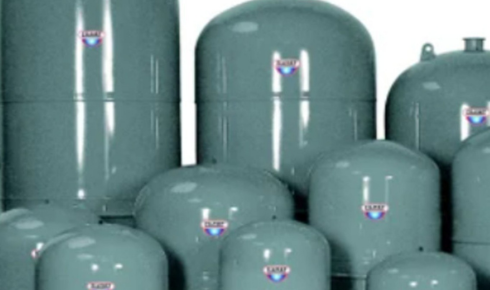
But a plumbing pressure tank is what actually keeps everything feeling stable. It stores water under pressure so your system doesn’t have to react instantly every time you open a faucet. Without it, the pump would be constantly switching on and off, trying to keep up with every small demand.
Over time, that kind of strain leads to wear. Not just on the pump, but on the entire system. The tank smooths out those demands, giving everything a bit of breathing room.
When You Start Looking for Solutions
It usually begins with a small issue. Maybe the pressure drops more often than it used to. Or the pump cycles more frequently, making you wonder if it’s working harder than it should.
That’s when people start browsing options—looking up water pressure tanks for sale, comparing sizes, features, maybe even reading reviews late at night trying to make sense of it all.
And honestly, it can feel a bit overwhelming.
But here’s the thing: not every system needs the biggest or most advanced tank. What matters more is choosing something that fits your setup—your water usage, your pump capacity, your daily routine. Bigger isn’t always better. Better is better.
A System That Works Together
What’s interesting about water systems is how interconnected everything is. The pump, the tank, the pipes—they’re all part of the same rhythm.
A hydropneumatic tank is a good example of that balance. It uses compressed air to maintain pressure, creating a cushion that allows water to flow consistently without constant pump activity. It’s a simple concept, but when it’s working properly, the difference is noticeable.
Not in a dramatic way. More like a quiet reliability. You turn on the tap, and it just works. No hesitation, no fluctuation.
And that’s exactly what you want.
The Signs We Often Miss
Most issues don’t show up all at once. They build slowly, almost quietly.
You might notice the pump running a bit more often than usual.
Or the pressure dipping slightly when multiple fixtures are in use.
Maybe there’s a subtle delay before water starts flowing.
Individually, these things are easy to ignore. Life gets busy, and small inconveniences don’t always feel worth investigating. But over time, they can point to a system that’s losing its balance.
Catching those signs early makes a big difference.
Maintenance Without the Stress
Here’s the reassuring part: maintaining a pressure system doesn’t have to be complicated.
A quick check of the tank’s air pressure every now and then.
Listening for unusual pump cycles.
Making sure everything feels consistent during normal use.
These are simple habits, but they help you stay ahead of potential problems. You don’t need to dive into technical manuals or overhaul your setup. Just paying attention goes a long way.
And if something does seem off, addressing it early is always easier than waiting for a full breakdown.
Why Consistency Matters More Than Strength
It’s easy to assume that higher pressure equals better performance. Stronger flow, faster results, fewer delays.
But in reality, what you want is consistency.
Water that flows the same way every time, whether you’re running one tap or three. A system that doesn’t overreact to small demands or struggle under larger ones. That kind of reliability doesn’t come from pushing the system harder—it comes from keeping it balanced.
And that balance is exactly what a well-functioning pressure tank provides.
Final Thoughts
Water systems aren’t something we think about often—and maybe that’s a good thing. When they’re working properly, they stay out of the way, quietly supporting daily life without asking for attention.
But understanding a little about how they work can change how you see those small moments—like turning on the tap or stepping into the shower. You start to appreciate the consistency, the reliability, the way everything just fits together.
Because in the end, it’s not about having the most advanced system. It’s about having one that works smoothly, day after day, without making you think twice.
And sometimes, that quiet reliability is the most valuable feature of all.