
There’s this assumption most of us carry around — that water is consistent. You turn on the tap today, tomorrow, next month… it should all be the same, right?
But if you’ve lived in the same place long enough, you’ve probably noticed little shifts. One week your water feels fine, the next it tastes slightly off. Nothing alarming, just enough to make you pause mid-sip and wonder if it’s always been like that.
The truth is, water isn’t static. It changes. And once you start paying attention, it becomes pretty clear.
When Water Has a Mind of Its Own
Water systems, whether municipal or private, are influenced by a lot of moving parts. Seasonal changes, rainfall, infrastructure updates, even nearby construction — all of it can subtly affect what comes out of your tap.
It’s not something people talk about often, but changing water conditions are more common than we think. One season might bring higher mineral content, another might alter the balance of treatment chemicals. The result? Water that doesn’t always behave the same way.
You might notice it in your laundry first. Or maybe your shower feels different. Sometimes it’s the dishes — those faint spots that seem to appear out of nowhere. It’s rarely dramatic, but it’s enough to disrupt that sense of normal.
The Role of Taste (and Why It Matters)
Taste is usually the first clue. It’s subtle, but it’s there — a slight metallic edge, a hint of chlorine, or just a flatness that makes water feel less refreshing than it should.
And then there’s smell. Not always strong, but noticeable. Enough to make you hesitate before filling a glass.
Issues related to taste and odor don’t always indicate something harmful, but they do affect how you experience your water. And that experience matters more than we often admit. If water doesn’t taste right, you’re less likely to drink it. If it smells off, you start questioning everything else about it.
It’s a small shift, but it changes your relationship with something you use every single day.
Adapting Instead of Guessing
Here’s where things get interesting. Because if water conditions can change, then the way we treat it shouldn’t be rigid either.
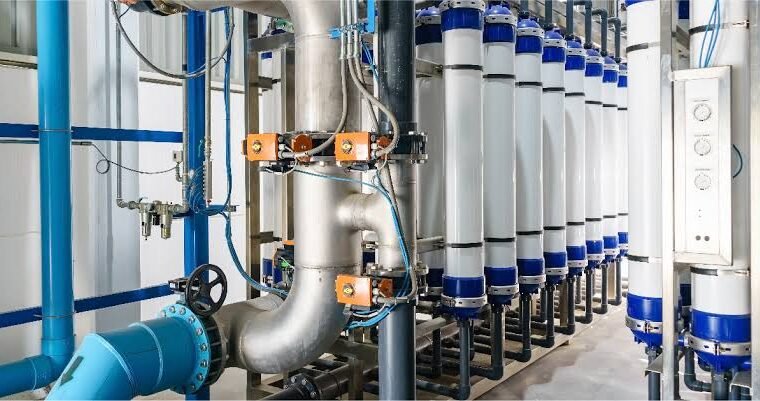
Instead of relying on fixed, one-size-fits-all systems, more homeowners and businesses are turning toward scalable solutions. Systems that can adapt, expand, or be fine-tuned as water quality evolves.
It’s a practical approach. Maybe you start with a basic filtration system, then add a softener if hardness becomes an issue. Or you upgrade components as your needs change — not all at once, but over time.
That flexibility makes a difference. It turns water treatment from a one-time decision into something that grows with your home.
The Subtle Impact on Daily Life
What’s fascinating is how these changes in water quality ripple through everyday routines. You might not connect the dots immediately, but they’re there.
Coffee that tastes slightly bitter. Skin that feels dry no matter what products you use. Appliances that seem to need maintenance more often than they should. It’s not always obvious that water is the cause, but often, it plays a role.
And when you address it, the improvements don’t shout for attention. They just… settle in.
Your tea tastes better. Your laundry feels softer. You stop thinking about your water altogether, which is probably the biggest sign that something’s working.
Finding a Starting Point
If there’s one thing worth doing, it’s understanding your water before trying to fix it. Testing gives you a clear picture of what’s actually happening — not just what you suspect.
From there, decisions become easier. You’re not guessing or chasing generic solutions. You’re responding to real data, choosing systems that match your specific situation.
And that makes the process feel less overwhelming, more grounded.
A Different Way to Think About Water
We often think of water as something basic, almost too simple to worry about. But in reality, it’s dynamic. It changes, adapts, reacts to its environment.
So maybe the goal isn’t to lock it into a perfect state, but to stay in tune with it. To notice when something feels off, and to adjust accordingly.
It’s less about control, more about balance.
Closing Thoughts
If your water has ever felt inconsistent — different from one week to the next — you’re not imagining it. Those small shifts are real, and they’re more common than we tend to acknowledge.
The good news is, you don’t have to live with uncertainty. By understanding your water and choosing solutions that can adapt over time, you create a system that works with those changes, not against them.
And in the end, that’s what makes the difference. Not perfect water, but water that fits your life — quietly, reliably, and without making you think twice about it.