Most homeowners don’t think about their water until something starts feeling slightly off. Maybe the dishwasher leaves cloudy marks on glasses. Maybe the shower door never seems fully clean anymore. Or maybe the washing machine suddenly needs repairs years earlier than expected.
At first, these things feel unrelated. Just random homeownership frustrations. But over time, many people start realizing there’s often one common thread quietly connecting them all: the water running through the house every single day.
It’s easy to forget how much water interacts with our homes. It touches nearly everything — appliances, plumbing, laundry, dishes, even the way our skin feels after a shower. So when water conditions aren’t ideal, the effects slowly spread into parts of life we rarely associate with water at all.
And honestly, that realization surprises a lot of people.
The Everyday Clues Hidden in Plain Sight
One of the strange things about household water issues is how gradual they tend to be. Rarely does a homeowner wake up one morning to some dramatic disaster caused by poor water conditions. Instead, little inconveniences pile up quietly.
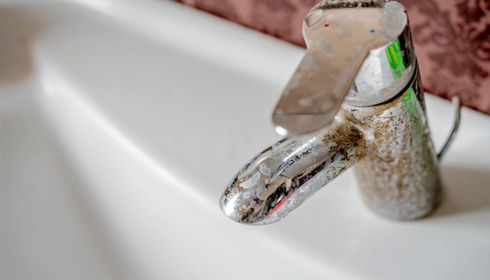
A faucet starts developing white residue around the edges. The coffee maker doesn’t last as long as expected. Soap refuses to rinse cleanly. Dishes come out dull instead of sparkling.
Many people assume these are just normal parts of maintaining a home. Sometimes they are. But often, mineral-heavy water is contributing far more than homeowners realize.
I remember visiting a friend whose bathroom sink constantly looked dirty no matter how much she cleaned it. She joked about being “bad at housekeeping,” but the reality was simpler: her home had extremely hard water. Once she addressed the issue, the endless scrubbing eased up almost immediately.
When Water Starts Wearing Down Appliances
Probably one of the most expensive consequences of poor water conditions is the slow impact on household systems and appliances.
Minerals naturally found in water can build up inside washing machines, water heaters, dishwashers, and coffee makers over time. The process is gradual enough that homeowners rarely notice it happening until performance starts dropping.
That hidden buildup often leads to appliance damage long before people expect it. Heating elements work harder. Water flow becomes restricted. Efficiency declines quietly in the background.
Water heaters especially tend to suffer. Sediment accumulation inside the tank forces the system to use more energy just to maintain normal operation. Over the years, that extra strain shortens lifespan and increases utility costs.
And because the changes happen slowly, many homeowners simply assume the appliance “got old” rather than recognizing how much the water contributed to the wear.
Why Glasses and Fixtures Never Look Fully Clean
Another frustrating issue people experience is constant water stains on sinks, faucets, shower doors, and dishes.
You clean everything carefully, step back for a moment of satisfaction, and then somehow the cloudy residue reappears within days. Sometimes within hours.
Those spots usually come from dissolved minerals left behind after water evaporates. Hard water areas are especially notorious for this problem. Calcium and magnesium dry onto surfaces and leave that chalky or streaky appearance homeowners fight endlessly.
The irritating part is how much effort it creates. Bathrooms require more scrubbing. Glassware loses its shine. Showerheads clog faster. Even stainless steel sinks start looking dull despite regular cleaning.
People often blame cleaning products or assume they’re doing something wrong when the water itself is creating most of the frustration.
Water Affects Comfort Too
What surprises many homeowners is that water quality influences comfort just as much as cleanliness.
Poor water conditions can leave skin feeling dry after showers. Hair sometimes feels rough or difficult to manage. Laundry loses softness. Towels become stiff even with fabric softener. These are subtle changes, but once noticed, they’re hard to ignore.
The funny thing is that many people don’t fully recognize the difference until they stay somewhere with softer or treated water. Hotels, newer homes, or houses with filtration systems suddenly feel noticeably different. Showers rinse cleaner. Soap lathers more easily. Everything feels slightly smoother somehow.
It’s difficult to describe until you’ve experienced both side by side.
Understanding the Bigger Picture
Conversations around water quality have grown a lot over the last decade, and honestly, that shift makes sense. Homeowners are becoming more aware that water isn’t simply about whether it’s technically safe to drink.
People now care about how water affects their appliances, plumbing systems, cleaning routines, and daily comfort overall. Better water doesn’t just improve taste — it can reduce maintenance headaches throughout the home.
That doesn’t necessarily mean every house needs an expensive treatment setup. Sometimes smaller solutions make a noticeable difference. The important part is understanding what’s actually happening in your specific home rather than guessing.
Because water conditions vary wildly depending on region, plumbing infrastructure, and mineral content, there’s rarely a one-size-fits-all answer.
Why Small Improvements Matter
The interesting thing about improving household water is how quietly life gets easier afterward.
The dishwasher works better. Cleaning becomes less frustrating. Showers feel more comfortable. Appliances last longer. You stop fighting constant residue around faucets and sinks.
None of these changes feel dramatic individually, but together they create a home that simply functions more smoothly.
And maybe that’s the real reason people care more about water now than they used to. It’s not only about preventing problems anymore. It’s about making everyday life feel a little easier, a little cleaner, and a little less frustrating in ways that quietly matter over time.
Once homeowners connect those small household annoyances back to the water itself, they often realize something important: better water improves far more than just what comes out of the tap.