There’s something deeply comforting about walking into a home that feels fresh.
Not overly scented with artificial sprays or aggressively “clean” in that chemical-smelling way. Just comfortable. Light. Easy to breathe in. You notice it almost immediately, even if you can’t fully explain why.
The strange part is that most of us spend years adapting to indoor air that isn’t actually making us feel great. We get used to waking up slightly congested, dusting furniture every other day, or feeling like certain rooms always seem stuffy no matter how often windows are opened.
Life gets busy, and air quality quietly slips into the background.
But lately, more homeowners are paying attention to it — and honestly, it makes sense. We spend so much time indoors now that the environment inside our homes affects us more than we often admit.
Homes Hold Onto More Than We Think
Modern houses are designed to be energy efficient, which is wonderful for heating and cooling costs. The downside is that indoor air doesn’t circulate naturally the way it once did in older homes.
Cooking particles linger longer. Pet dander settles into furniture. Moisture hangs around after showers. Dust moves through vents and carpets constantly. Add outdoor pollution, smoke, pollen, and household cleaning products into the mix, and suddenly indoor air becomes more complicated than most people realize.
That’s why conversations around clean air have become more common over the last few years.
People aren’t suddenly trying to turn their homes into laboratories. They just want spaces that feel healthier and more comfortable to live in every day. And honestly, once you experience noticeably fresher indoor air, it becomes difficult to ignore the difference elsewhere.
The Signs of Poor Indoor Air Aren’t Always Obvious
One reason indoor air problems get overlooked is because symptoms often feel disconnected from the house itself.
A lingering headache after spending all day indoors. Dry skin that gets worse during certain seasons. Trouble sleeping comfortably. A constant feeling of stuffiness that disappears once you leave the house for a while.
Sometimes people blame stress, weather changes, or lack of sleep before considering the possibility that their indoor environment might be contributing to the problem.
And to be fair, air quality issues aren’t always dramatic. It’s usually a collection of small irritations slowly building over time.
Dust accumulation is another clue. If surfaces seem coated again almost immediately after cleaning, airflow and filtration may not be working as effectively as they could. Homes naturally collect particles, but poor circulation allows them to continuously move through living spaces instead of being properly captured.
Better Filtration Makes a Noticeable Difference
This is where good filtration systems quietly improve everyday life.
Not because they magically create perfect air overnight, but because they reduce the amount of airborne particles circulating through the home constantly. Dust, pollen, pet dander, cooking residue, and other irritants become easier to manage when filtration and airflow work together properly.
People often notice the benefits in surprisingly ordinary ways:
- Sleeping more comfortably
- Waking up less congested
- Needing to dust less often
- Rooms smelling fresher naturally
- Fewer lingering cooking odors
These aren’t dramatic transformations. More like subtle improvements that slowly make a home feel easier to exist in.
And honestly, that’s usually the best kind of home upgrade — the kind you stop thinking about because daily life simply becomes more comfortable.
Every Home Has Different Air Challenges
One thing homeowners quickly discover is that indoor air issues aren’t universal.
A small apartment in a busy city faces different challenges than a suburban family home with pets and carpeting. Homes in humid climates often struggle with moisture and musty smells, while dry environments create irritation from airborne dust and static buildup.
Even the age of a home changes things. Older houses may have better natural airflow but more dust infiltration. Newer homes trap temperature efficiently but can hold pollutants inside for longer periods.
That’s why personalized air quality solutions matter more than blindly buying the latest trending gadget online.
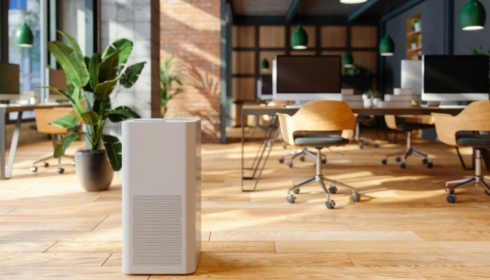
Sometimes improving air quality is as simple as changing HVAC filters more consistently and increasing ventilation. Other households benefit from portable purifiers, humidity control, or upgraded whole-home filtration setups.
The smartest approach usually starts with understanding what your home specifically struggles with instead of assuming one solution fixes everything.
Small Habits Matter More Than People Think
It’s easy to focus only on equipment, but everyday habits still play a huge role in indoor air quality.
Simple things help more than most people realize:
- Vacuuming regularly
- Washing bedding frequently
- Cleaning vents and filters
- Managing indoor humidity
- Letting fresh air circulate when weather allows
- Reducing excessive synthetic fragrances indoors
None of this feels particularly exciting, but small consistent habits often improve home environments more effectively than expensive one-time purchases.
And honestly, the goal isn’t perfection. Real homes are supposed to be lived in. Kids make messes. Pets shed. Cooking creates smells and particles. Life itself naturally affects indoor air.
The point is creating balance, not sterility.
A Comfortable Home Starts With the Basics
At the end of the day, indoor air quality isn’t really about technology or trends. It’s about how your home feels to live in.
When the air inside a house feels fresher, everything else tends to feel easier too. Sleep improves. Rooms feel calmer. Daily routines become more comfortable in ways that are difficult to measure but easy to notice over time.
And maybe that’s why so many homeowners are finally paying attention to indoor air now. Because after years of overlooking it, people are realizing something surprisingly simple:
The spaces where we spend most of our lives should actually help us feel better, not quietly wear us down little by little.