Water can look perfectly clear in a glass and still have characteristics you may want to address. That’s one of the tricky things about household water. You can’t always see what’s happening.
Maybe there’s a gritty residue around the faucet. Perhaps the water has an earthy smell after heavy rain, or your coffee doesn’t taste quite right anymore. In a private well, you might notice changes that seem to appear out of nowhere. Even municipal water can develop taste or odor issues as it travels through plumbing.
The answer isn’t necessarily to install the biggest filtration system you can find. Different water problems call for different technologies, and choosing the right combination starts with understanding what is actually in the water.
Begin With Testing, Not Guesswork
Before selecting filtration equipment, test the water whenever there is a meaningful concern.
Testing can reveal information about sediment, hardness, pH, iron, bacteria, and other characteristics depending on the analysis performed. For private wells, regular testing is particularly useful because groundwater conditions can change over time.
A test gives you something much more valuable than a sales pitch: a starting point.
Once you understand the water, you can decide whether filtration, softening, disinfection, or another treatment approach makes sense. Sometimes the issue is relatively minor. Other times, several treatment stages may be appropriate.
Either way, you’re making the decision based on evidence rather than assumptions.
Sediment Is More Than an Appearance Problem
Sediment can enter a water supply from several sources. Well water may contain sand or naturally occurring particles, while older plumbing or changes in the supply can contribute to suspended material.
You might notice it as cloudy water, visible particles, or a layer of material collecting inside a filter housing.
In these situations, sediment filters can provide an important first stage of treatment. Their job is relatively straightforward: capture physical particles before the water reaches downstream equipment.
That first stage can be especially valuable when a home also uses more specialized treatment equipment. Keeping larger particles out of sensitive components may help reduce clogging and unnecessary wear.
But sediment filters have limits. They aren’t designed to solve every water-quality concern, and selecting the appropriate micron rating and filter type matters.
Carbon Filtration Has a Different Job
If you’ve ever noticed a chlorine-like taste or odor in tap water, you’ve encountered a problem that may be addressed through carbon filtration.
Activated carbon can adsorb certain compounds from water, making it useful for improving taste and odor and reducing certain chemicals.
For homes where water use varies throughout the day, automatic carbon filters can provide a convenient approach to carbon treatment. Automatic controls can help manage the filtration process with less hands-on involvement from the homeowner.
Still, the system needs to be properly sized.
A filter that’s too small may not provide enough capacity during periods of high demand. A system that’s much larger than necessary can increase upfront and maintenance costs without delivering a proportional benefit.
Good filtration is about matching equipment to water conditions and actual usage.
Not Every Water Problem Is Solved by Filtration
This distinction is important.
Filtration and disinfection aren’t the same thing.
A filter may physically remove particles or reduce certain substances, but it may not address microorganisms in the same way a dedicated disinfection system does.
For properties where microbial contamination is a concern, ultraviolet technology can be considered as part of a broader treatment strategy.
UV light systems use ultraviolet radiation to inactivate many microorganisms as water passes through the treatment chamber. They don’t add chemicals to the water, which is one reason they can appeal to homeowners looking for a chemical-free disinfection approach.
However, UV treatment works best when the water reaching the UV chamber has already been appropriately treated for clarity. Excessive sediment or cloudiness can interfere with the effectiveness of the process.
That’s why treatment stages often work together rather than independently.
Think of Treatment as a Chain
A well-designed water system may include several stages, with each component handling a different part of the problem.
For example, a sediment filter may capture physical particles first. Carbon filtration could then address taste and odor concerns. If microbial disinfection is needed, UV treatment may be placed later in the process.
The exact configuration depends on the water.
Some homes may need only one stage. Others may require a combination of technologies.
Adding equipment just because it sounds beneficial isn’t always a good idea. Every additional stage introduces maintenance, replacement components, potential pressure loss, and cost.
The goal should be effective treatment, not an impressive-looking collection of tanks and filters.
Flow Rate Matters More Than Many Homeowners Realize
A filtration system needs to keep up with the amount of water being used.
Imagine turning on the shower while someone starts the washing machine and another person opens the kitchen faucet. The treatment equipment needs enough capacity to handle that demand without creating an uncomfortable drop in flow.
This is why sizing should account for peak demand rather than average daily consumption alone.
A professional can evaluate the home’s fixtures, household size, water pressure, and expected usage to determine an appropriate flow rate.
It’s one of those details that doesn’t sound exciting until you’re standing under a weak shower.
Maintenance Keeps Filtration Working
Even excellent equipment becomes less useful when maintenance is ignored.
Filters eventually become loaded. Carbon media has a finite capacity. UV lamps need replacement according to the manufacturer’s recommendations, and sleeves may require cleaning. Automatic systems still need periodic inspection.
Homeowners should understand the maintenance requirements before installation.
Ask how often filters need replacement. Find out whether the system requires electricity. Understand what happens during a power outage. If UV treatment is involved, learn what indicators or alarms signal a lamp problem.
These details make a difference.
A treatment system should be easy enough to maintain that the homeowner can realistically keep up with it.
Don’t Forget the Plumbing Around the Equipment
Filtration equipment doesn’t operate in isolation.
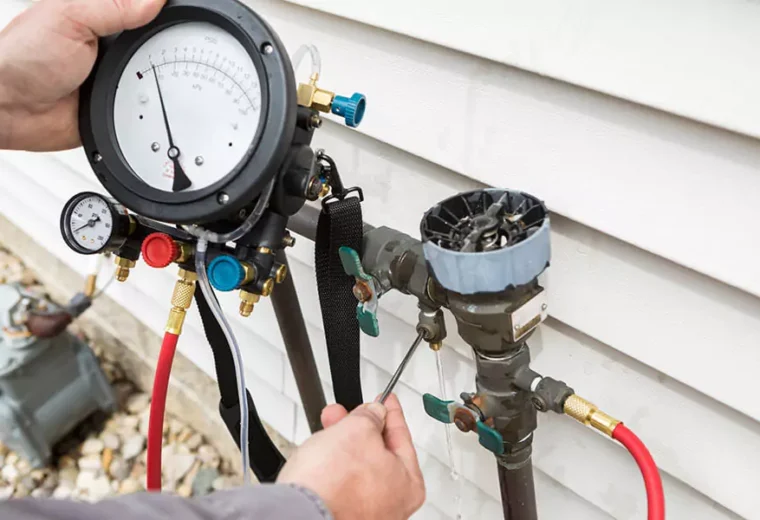
Valves, bypass lines, pressure gauges, drains, and plumbing connections all affect how the system performs. Poor installation can create problems even when the filtration technology itself is excellent.
A correctly installed system should also allow for convenient servicing.
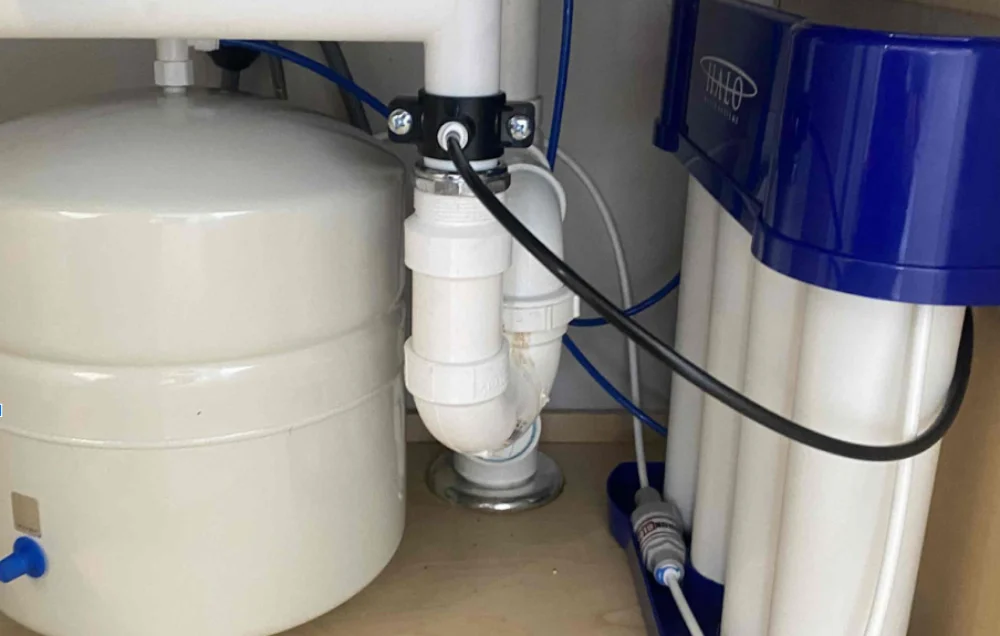
There should be enough space to replace filters, inspect components, and access valves. If everything is squeezed into a tiny corner of the utility room, routine maintenance becomes a chore — and chores have a funny habit of being postponed.
Better Water Starts With a Thoughtful Plan
There is no universal filtration system that works perfectly for every home.
The right setup depends on the water source, test results, household demand, plumbing configuration, and the specific concerns you want to address.
Start with testing. Identify the actual problem. Then choose treatment stages that have a clear purpose.
Sediment control can protect downstream equipment. Carbon filtration can improve taste and odor. UV disinfection can provide microbial protection when appropriate. In some homes, one of these may be enough. In others, a combination makes more sense.
The important thing is that every component earns its place.
Good water treatment isn’t about making the system as complicated as possible. It’s about making the water better in a way that’s practical, maintainable, and suited to the property.
When the right equipment is installed and cared for properly, the results can be pleasantly unremarkable — clear water, better taste, fewer annoying deposits, and one less household problem competing for your attention. And sometimes, boring water is exactly what you want.