
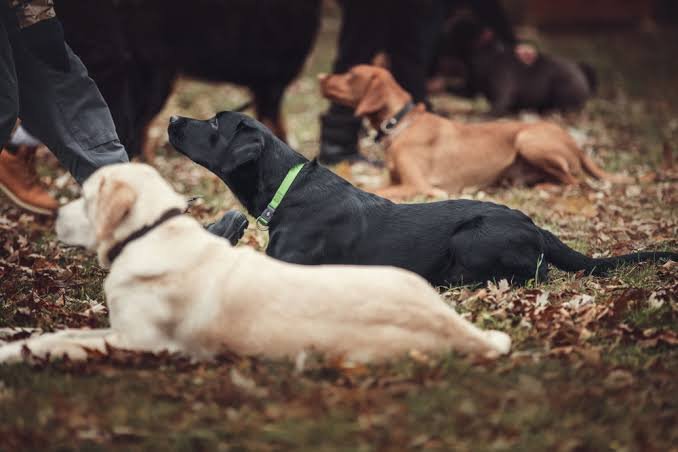
Dog behavior modification is about more than stopping unwanted habits. It helps dogs learn appropriate responses to everyday situations while giving owners practical ways to communicate clearly and consistently. Whether a dog struggles with barking, jumping, leash pulling, reactivity, or poor impulse control, the right approach can make daily life safer and more manageable.
Successful behavior work starts by understanding why a dog behaves a certain way. From there, owners can establish clear expectations, reinforce desirable responses, and create routines that support long-term progress. For owners who need professional guidance, Rob’s Dog Training can provide structured support tailored to a dog’s specific behavior and training needs.
What Is Dog Behavior Modification?
Dog behavior modification is a structured approach to changing unwanted behaviors and encouraging more appropriate responses. Rather than simply correcting a problem when it happens, effective training considers what triggers the behavior, what the dog learns from it, and what response should replace it.
For example, a dog that jumps on guests may not simply need to be told “no.” The dog may need to learn that keeping four paws on the floor leads to attention, while jumping does not.
This distinction matters because behavior is shaped by repetition and consequences. A dog that repeatedly receives attention for barking, pulling, or jumping may continue practicing that behavior because it produces a result.
Identify the Reason Behind the Behavior
Before addressing a behavior, look at what happens immediately before and after it. Patterns can reveal important information about the situation.
Consider these questions:
- What happens immediately before the unwanted behavior?
- What does the dog do?
- How do people respond?
- What happens afterward?
- Does the behavior occur in specific locations or situations?
A dog that barks when someone approaches the front door may have a very different training need from a dog that barks during play. Similarly, leash pulling may become worse when a dog sees other dogs, wildlife, or unfamiliar people.
Identifying triggers makes it easier to create a targeted training plan rather than applying the same response to every situation.
Dog Behavior Modification Starts With Clear Expectations
Dogs learn more effectively when expectations are consistent. If jumping is discouraged sometimes but rewarded with attention at other times, the dog receives mixed information.
The same principle applies to household rules. Everyone involved in the dog’s care should understand which behaviors are expected and how to respond when the dog makes an inappropriate choice.
Useful foundation skills can include:
- Sitting calmly for attention
- Walking appropriately on a leash
- Coming when called
- Waiting before going through doors
- Settling around household activity
- Responding to basic obedience cues
- Remaining composed around distractions
These skills are not separate from behavior work. They can provide dogs with practical alternatives to unwanted responses.
Replace Unwanted Behaviors With Better Choices
One of the most useful principles in behavior training is teaching a dog what to do instead.
If a dog jumps on visitors, the goal should not simply be to suppress jumping. Teach the dog to sit or remain on the floor when someone enters.
If a dog pulls toward another dog, practice appropriate leash behavior before gradually working around controlled distractions.
If a dog becomes overly excited when the doorbell rings, teach a predictable routine that gives the dog another behavior to perform.
This approach gives the dog a clear path to success. Instead of repeatedly hearing what not to do, the dog learns which response earns reinforcement and fits the situation.
Manage Triggers While Training
Training does not mean exposing a dog to every difficult situation immediately. Good behavior modification also involves managing the environment while new skills are developing.
For example, if a dog becomes overwhelmed around unfamiliar dogs, an owner might begin at a distance where the dog can remain attentive. As the dog develops better control, the distance and level of distraction can gradually change.
Management can also involve using gates, leashes, structured routines, controlled introductions, or other practical measures that reduce opportunities for unwanted behavior.
This is especially important when safety is involved. Dogs showing aggression, severe fear, or unpredictable reactions should be assessed by an experienced professional rather than placed into challenging situations without a plan.
Improve Impulse Control Through Everyday Practice
Impulse control is closely connected to good manners. Dogs naturally respond to interesting sights, smells, sounds, movement, and social opportunities, but training can help them pause and respond to direction.
Simple daily situations can become training opportunities.
Ask your dog to wait briefly before eating, entering a doorway, getting out of the car, or receiving attention. Practice calm behavior when guests arrive. Reward the dog for choosing to settle instead of constantly seeking stimulation.
These small exercises can build habits that carry into more demanding environments.
Consistency Matters More Than Occasional Training
A dog may perform beautifully during a training session but struggle at home if the same expectations are not maintained.
Behavior modification works best when training becomes part of everyday life. Owners should practice skills in different rooms, outside the home, on walks, and around gradually increasing distractions.
Short, frequent sessions are often easier to maintain than occasional long sessions. The objective is to create repeated opportunities for the dog to practice the desired behavior correctly.
It is also important to recognize progress realistically. A dog that previously could not remain calm around a particular trigger may first manage only a few seconds of appropriate behavior. That improvement still matters.
When Professional Dog Training Can Help
Some behavior challenges are difficult to resolve without professional guidance. Owners may benefit from help when a dog consistently displays reactivity, excessive jumping, destructive behavior, serious leash problems, poor recall, or difficulty responding around distractions.
A professional can assess the dog’s behavior, identify patterns, establish appropriate training goals, and show owners how to continue the work outside formal sessions.
The right training format can depend on the dog and household. Private lessons allow owners to work directly with their dogs under professional guidance, while board and train programs provide a more immersive environment where dogs can practice obedience, manners, and behavior skills as part of a structured routine.
For owners seeking this type of support, Rob’s Dogs provides private lessons and board and train programs designed around individual training needs. Its website also provides resources covering areas such as socialization, leash training, house training, and muzzle introduction.
Avoid Quick Fixes and Focus on Lasting Skills
Behavior problems rarely disappear because of one command or one training session. Sustainable improvement comes from identifying the underlying pattern, changing how the situation is handled, and giving the dog repeated opportunities to practice an appropriate response.
Owners should also avoid relying on punishment without understanding what is causing the behavior. If a dog is frightened, overstimulated, frustrated, or confused, simply increasing pressure may not teach the dog what to do differently.
A better training plan combines clear communication, appropriate structure, careful management, and consistent practice.
How to Support Better Behavior at Home
Once a training plan is established, owners can support progress by making expectations part of the dog’s routine.
Keep these principles in mind:
- Practice skills in realistic situations.
- Reward appropriate behavior consistently.
- Introduce distractions gradually.
- Keep training sessions manageable.
- Avoid accidentally rewarding unwanted habits.
- Give the dog sufficient physical and mental activity.
- Maintain the same expectations across household members.
- Track progress instead of expecting instant results.
Most importantly, pay attention to what your dog is communicating. Changes in behavior can sometimes be associated with pain, illness, fear, stress, or environmental changes. A veterinarian may be appropriate when a behavior changes suddenly or appears alongside physical or health-related concerns.
Build Better Behavior One Skill at a Time
Dog behavior modification is not about expecting a dog to become perfect overnight. It is about teaching reliable skills that can be used when real-life distractions appear.
When owners understand triggers, establish consistent expectations, teach replacement behaviors, and practice in everyday situations, dogs have clearer opportunities to succeed. Professional guidance from Rob’s Dog Trainign can make that process more structured when behavior challenges are persistent or complicated.
The most useful goal is not simply a dog that behaves well during a training session. It is a dog that can make better choices at home, on walks, around visitors, and in the situations that matter most to everyday life.