There’s a strange thing about plumbing: when everything works, nobody gives it much thought. The water runs, the shower gets hot, the kitchen sink drains, and that’s that. But the moment something stops working, it becomes the most important thing in the house.
Maybe the kitchen sink starts smelling odd. Perhaps hot water takes forever to arrive in the morning. Or a garbage disposal begins making a noise that sounds suspiciously like a small machine having a bad day.
Most plumbing problems don’t appear out of nowhere. There are usually clues first. Learning to notice those clues, choosing practical equipment and knowing when to call a professional can make home maintenance much less stressful.
Start With the Basics of Your Plumbing System
Every home has slightly different plumbing needs. A compact apartment won’t use water in the same way as a large family home, and an older property may have completely different pipework from a newly built house.
Water pressure, pipe condition, fixture age and household usage all matter.
That’s why a good plumbing decision starts with understanding the system you already have. Before replacing equipment or adding a new fixture, consider whether the existing plumbing can support it.
It sounds obvious, but it’s easy to get caught up in shiny new products and forget the pipes behind the walls.
Hot Water Shouldn’t Feel Like a Waiting Game
Nobody enjoys standing in the shower wondering whether the water is ever going to warm up.
For homes where hot water takes too long to reach distant fixtures, a properly designed hot-water circulation setup may help. The goal is to reduce unnecessary waiting and the amount of water sent down the drain simply because you’re waiting for the temperature to change.
Products such as insta-hots can also provide convenient hot water in specific applications, depending on the home’s plumbing layout and the unit being considered.
Of course, the right choice depends on demand, electrical capacity, installation requirements and the number of fixtures involved. A system that works well in one house may be completely unnecessary in another.
The smartest approach is to look at actual household habits first.
Kitchen Plumbing Deserves More Attention
The kitchen is one of the busiest plumbing areas in a home. Water is constantly being used for cooking, washing dishes and cleaning.
That makes kitchen fixtures especially vulnerable to wear.
A dripping faucet, slow drain or strange smell shouldn’t automatically be ignored. Sometimes the cause is simple buildup. Other times, recurring problems may point toward a deeper drainage or pipe issue.
It’s also worth remembering that what goes down the kitchen sink matters. Grease, fibrous food waste and large scraps can contribute to blockages, even when the drain seems to handle them at first.
A few careful habits can prevent a surprising amount of trouble.
Are Garbage Disposals Worth Having?
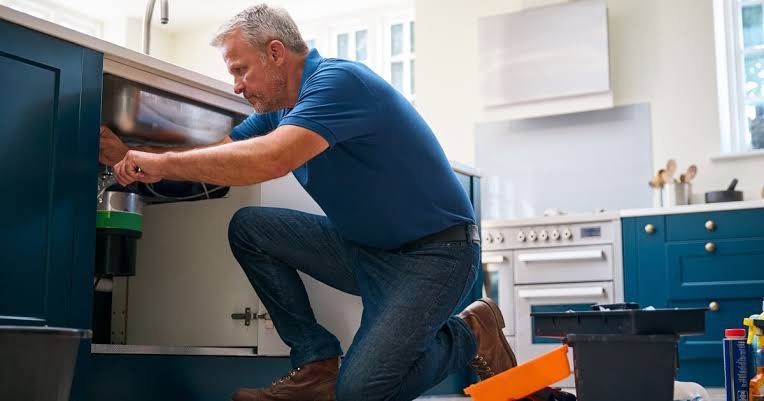
For many kitchens, garbage disposals can be convenient. They can grind suitable food scraps into smaller particles before they enter the drainage system.
But they’re not magic food-processing machines.
Items such as grease, large bones, fibrous materials and inappropriate household waste can cause problems. Even a well-designed disposal needs sensible use and occasional maintenance.
Running cold water while operating the disposal, using it for appropriate food waste and avoiding overloading it can help keep the unit working properly.
If a disposal starts humming without grinding, develops persistent odors or repeatedly jams, it’s better to investigate the issue rather than continually forcing it to operate.
Don’t Ignore Strange Plumbing Sounds
Pipes make noises. That’s normal to a point.
But sudden banging, persistent rattling, whistling or unusual dripping sounds deserve attention, particularly when the noises are new.
A banging sound after shutting off a faucet may be related to water movement and pressure. A persistent dripping sound behind a wall could indicate a leak. A humming appliance might have a mechanical problem.
You don’t need to diagnose everything yourself. Simply recognizing that something has changed is useful information for a professional.
When a Drain Keeps Blocking
One blocked drain can happen to anyone. Repeated blockages are another story.
If a sink or shower keeps slowing down even after cleaning, the obstruction may be deeper in the line. Simply using the same quick fix again and again doesn’t necessarily solve the underlying problem.
Avoid making harsh chemical drain cleaners your first response every time. Depending on the plumbing and product, frequent use can create additional concerns without addressing what’s actually causing the blockage.
Professional drain cleaning may be the better option when the issue keeps returning.
Why Local Plumbing Knowledge Matters
When a serious problem occurs, you don’t want to spend an hour wondering who to call.
Having local plumbers you can trust already in your contacts can make emergencies much easier to handle. A local professional may also be familiar with common plumbing configurations, building styles and water-related issues in the area.
Trust, however, shouldn’t be based only on location.
Look for clear communication, transparent pricing, appropriate experience and a willingness to explain the proposed work. Good plumbers don’t need to overwhelm customers with technical jargon to demonstrate expertise.
They should be able to tell you what’s wrong, what can be done and why a particular repair makes sense.
Small Maintenance Habits Make a Difference
Plumbing maintenance doesn’t need to become a weekend project.
Every so often, check beneath sinks for dampness. Look at exposed pipes for corrosion. Listen for toilets that keep running and notice whether drains are becoming slower than usual.
Know where your main water shut-off valve is, too. If a pipe bursts, shutting off the water quickly can prevent extensive damage.
It’s one of those things you’ll hopefully never need. But when you do, you’ll be very glad you know where it is.
Don’t Choose Equipment on Price Alone
Price matters, but the cheapest option isn’t always the most economical over time.
A poorly matched water heater, low-quality fixture or unsuitable disposal may need repeated repairs or early replacement. On the other hand, buying the most expensive product available doesn’t guarantee better results either.
The better question is: does it fit the home?
Consider installation requirements, expected usage, maintenance needs, available space and long-term operating costs. A professional can help compare these factors without turning the conversation into a sales pitch.
Good Plumbing Is Mostly About Reliability
The best plumbing systems aren’t necessarily the fanciest ones. They’re dependable.
You turn on the faucet and get water. You take a shower and get hot water. The sink drains properly. Kitchen equipment works without strange noises. And when something does go wrong, you know who to call.
That’s really the goal.
Pay attention to small warning signs, use fixtures responsibly and don’t hesitate to get professional help when a problem keeps returning. A little care can prevent plenty of expensive surprises.
Plumbing may not be the most exciting part of owning a home, but when it works well, it makes everyday life noticeably easier. And honestly, that’s exactly what good home plumbing should do.