Water has a funny way of staying invisible when everything is working well. Businesses turn on the tap, machines run, employees get through the day, and customers rarely give it a second thought. That’s exactly how it should be. But the moment water quality begins to slip, the problems can spread much faster than most people expect.
Whether it’s a restaurant noticing cloudy glassware, a manufacturing facility dealing with unexpected equipment downtime, or a healthcare center requiring higher water purity, poor water quality can quietly create challenges that affect productivity and profitability. The frustrating part? Many of these issues develop slowly, making them difficult to recognize until repairs become expensive.
Businesses that take water seriously usually aren’t reacting to problems—they’re preventing them. And that mindset often saves both money and headaches in the long run.
Water Quality Impacts More Than Most People Realize
It’s easy to think of water as just another utility, similar to electricity or internet service. But unlike those resources, water physically interacts with equipment, plumbing, products, and even customers.
Hard minerals build scale inside boilers. Chlorine influences taste and odor. Sediment clogs valves and filters. Corrosion slowly damages pipes from the inside. None of these issues happen overnight, yet together they can quietly reduce operational efficiency.
Different industries experience these effects in different ways. Hotels may struggle with stained fixtures, food processors need consistent water for production, and office buildings want reliable plumbing that simply works every day.
The common thread is simple: better water usually means smoother operations.
Every Business Faces Different Challenges
There isn’t a single water profile that applies everywhere.
A business located in one county may deal with extremely hard water, while another just a short drive away struggles with excess iron or elevated chlorine levels. Seasonal weather patterns, aging municipal infrastructure, and local groundwater conditions all contribute to differences in water quality.
That’s why assumptions rarely lead to good decisions.
Professional testing provides a clear picture of what’s actually present in the water before selecting equipment or treatment methods.
Without that information, businesses often end up solving the wrong problem—or spending money on systems they don’t truly need.
Why Professional water treatment services Matter
Installing equipment is only one part of maintaining healthy commercial water quality.
Professional water treatment services begin by understanding how a facility uses water, identifying potential risks, testing the supply, and recommending treatment based on real data rather than guesswork.
That approach creates better long-term results.
Instead of purchasing oversized or unnecessary equipment, businesses receive systems designed around their actual operational needs. Whether the goal is reducing hardness, improving taste, protecting machinery, or meeting industry standards, professional guidance helps ensure every investment serves a practical purpose.
The right treatment solution doesn’t just improve water—it supports the entire business.
Cleaner Water Creates Better Customer Experiences
Customers may never ask about your water treatment system, but they’ll certainly notice its effects.
Fresh-tasting beverages, crystal-clear ice, spotless dishes, clean linens, and pleasant showers all depend on consistent water quality. These details influence customer satisfaction far more than most people realize.
Restaurants often produce better coffee and tea when unwanted minerals and chlorine are reduced. Hotels benefit from softer water that leaves fewer stains on fixtures and improves laundry quality. Healthcare facilities rely on dependable water for sanitation and patient care.
Sometimes quality reveals itself through the absence of complaints rather than visible improvements.
Understanding the Role of water purification services
Some commercial operations require water that goes beyond ordinary filtration.
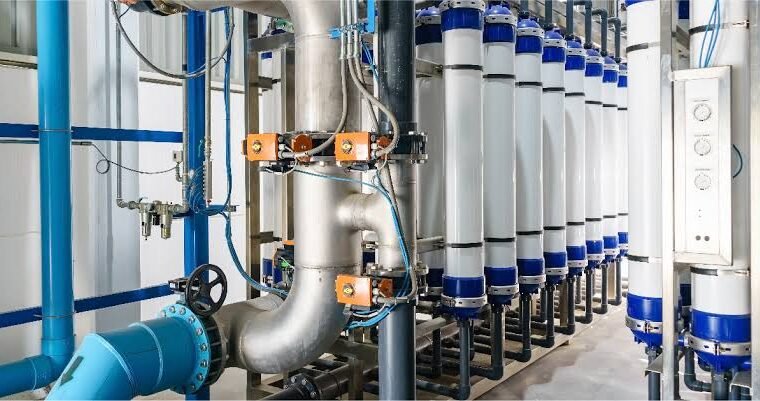
Laboratories, pharmaceutical manufacturers, medical facilities, electronics production, and certain food processing businesses depend on extremely pure water for safety, consistency, or product quality.
That’s where water purification services become essential.
Advanced purification methods may involve reverse osmosis, ultraviolet treatment, deionization, activated carbon filtration, or combinations of several technologies depending on operational requirements.
The objective isn’t simply producing cleaner water—it’s creating water that performs consistently for highly specialized applications where even minor impurities can affect results.
For these industries, reliable purification isn’t optional. It’s part of maintaining quality standards every day.
Water Treatment Is Also About Equipment Protection
Commercial equipment represents one of the largest investments many businesses make.
Boilers, cooling systems, commercial dishwashers, steam generators, production machinery, and water heaters all depend on clean, properly conditioned water to operate efficiently.
Untreated water gradually creates scale, corrosion, and sediment buildup that reduce efficiency while increasing maintenance requirements.
As deposits accumulate, energy consumption rises because equipment must work harder to perform the same tasks. Eventually, components wear out sooner than expected.
Good water management helps protect those investments while reducing unexpected downtime that interrupts business operations.
Technology Has Made Water Management Smarter
Modern commercial water systems have evolved significantly over the past decade.
Today’s equipment often includes automated monitoring, digital controls, performance tracking, and predictive maintenance capabilities. Instead of waiting for visible problems, businesses can identify changes in water quality before they become serious.
Remote monitoring also allows service professionals to detect potential issues early, helping minimize unexpected failures and keeping systems operating efficiently throughout the year.
Technology doesn’t eliminate maintenance, but it certainly makes managing water systems more predictable than it once was.
The Importance of ongoing support
Installing a treatment system isn’t the end of the process. In many ways, it’s just the beginning.
Water conditions change over time, filters require replacement, treatment settings occasionally need adjustment, and equipment benefits from regular inspections.
That’s why ongoing support is one of the most valuable aspects of working with experienced water professionals.
Routine maintenance helps ensure systems continue operating efficiently long after installation. Scheduled servicing also catches small issues before they develop into expensive repairs or operational disruptions.
Businesses that prioritize preventive maintenance often experience fewer emergencies, lower repair costs, and more consistent water performance throughout the year.
Looking Beyond Immediate Costs
Some companies hesitate to invest in water treatment because they focus only on the upfront expense.
But viewing water treatment solely as a purchase misses the larger picture.
Improved equipment lifespan, reduced maintenance, lower energy consumption, fewer production interruptions, and better customer satisfaction all contribute to measurable long-term value.
When those savings accumulate over several years, the return on investment often becomes much larger than initially expected.
It’s one of those rare business decisions where preventing problems usually costs far less than fixing them later.
Final Thoughts
Reliable water quality isn’t something businesses should think about only after equipment begins failing or customers start noticing problems.
It’s a resource that quietly supports every part of daily operations—from protecting expensive machinery to creating better customer experiences and improving overall efficiency.
By investing in professional water treatment, choosing appropriate purification methods, and maintaining systems through regular service, businesses position themselves for smoother operations and fewer costly surprises.
At the end of the day, water isn’t simply something flowing through pipes. It’s a critical part of how businesses operate, grow, and deliver consistent quality every single day.