Metal profiles are widely used in construction, interior design, fabrication, furniture manufacturing, and architectural projects. Their simple shapes can provide clean edges, reliable support, and a professional finish. Among the commonly selected options, T-shaped and L-shaped profiles are useful for different applications. Understanding their features, sizes, materials, and pricing factors can help buyers make a more informed decision.
Understanding T Profile Patti
A t profile patti price can vary depending on several factors, including material, thickness, dimensions, surface finish, quantity, and supplier. Stainless steel, aluminium, mild steel, and other metals may be available depending on the intended application. A heavier or thicker profile generally requires more material, which can influence the overall cost.
When comparing prices, buyers should look beyond the basic per-piece or per-length rate. Transportation, cutting requirements, finishing, taxes, and bulk quantities can also affect the final purchase cost. Requesting a detailed quotation from a supplier is often the best way to understand the actual project expense.
Applications of T-Shaped Profiles
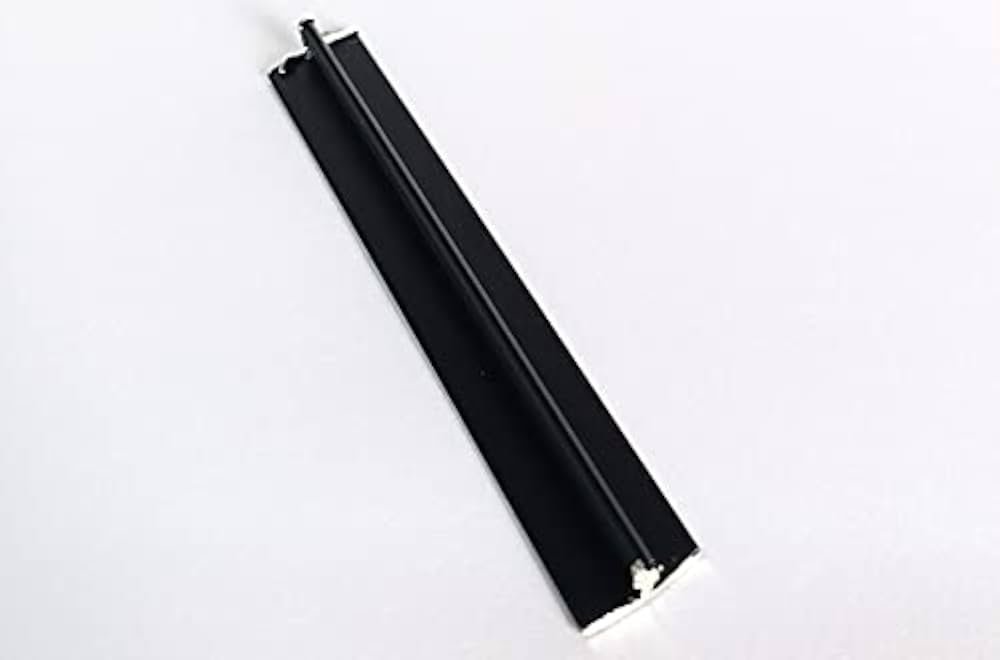
T profiles are frequently used where a clean joint, edge, or transition is required. They can be incorporated into wall panels, ceilings, partitions, furniture, architectural features, and fabricated structures. The central section of the profile creates a distinctive T-shaped design that can provide both visual definition and functional support.
Interior designers may use T profiles to create neat lines between panels or decorative surfaces. Fabricators can also use them when a project requires accurate alignment between different components. Choosing the appropriate size is important because an oversized or undersized profile may not provide the desired appearance or performance.
What Is L Patti?
An L patti is an angle-shaped metal strip generally used for edging, framing, reinforcement, joining, and finishing applications. Its right-angle design allows it to fit neatly around corners and edges. This makes it a practical choice for construction, furniture, fabrication, interior work, and architectural installations.
L-shaped profiles can help protect exposed edges while giving a project a cleaner appearance. They are available in different dimensions and material grades, allowing users to select a suitable option based on strength, finish, and application requirements.
Benefits of L Profile Patti
An L profile patti can provide a combination of practical support and aesthetic finishing. It may be used around panels, countertops, doors, partitions, furniture, wall coverings, and other structures where a defined corner or edge is required.
The profile can also help cover uneven or exposed edges, making the finished installation appear more polished. In commercial and residential interiors, metallic finishes can complement glass, wood, stone, tiles, and decorative sheets, creating a modern architectural appearance.
Factors to Consider Before Buying
Before purchasing any metal profile, consider the project’s specific requirements. Material grade, thickness, width, length, finish, tolerance, and intended application should all be checked carefully. For areas exposed to moisture or changing weather conditions, corrosion resistance may be particularly important.
Buyers should also confirm whether the profile is supplied in standard lengths or can be cut according to specific requirements. Accurate measurements can reduce wastage and make installation more efficient.
Making a Cost-Effective Choice
The cheapest profile is not always the most economical option. A low-quality product may require replacement sooner or create installation difficulties. Instead, buyers should balance price with material quality, dimensional accuracy, finish, durability, and supplier reliability.
Whether used for a decorative interior project or a demanding fabrication application, the right metal profile can improve both performance and appearance. Comparing specifications and quotations before ordering helps ensure that the selected profile meets the project’s requirements while keeping costs under control.