
Most homeowners think about water quality in terms of what comes out of the kitchen tap. Is it clear? Does it smell unusual? Does it taste the way it normally does? These are sensible questions, but there’s another part of plumbing safety that often goes unnoticed: making sure water flows in the right direction.
Under normal conditions, clean water moves through your plumbing system towards taps, showers, and appliances. But under certain circumstances, that flow can reverse. When it happens, water from less sanitary sources may enter pipes that supply drinking water. It’s not something you can reliably spot by looking at the water, which makes prevention particularly important.
This is where backflow prevention comes in. With the right equipment, regular inspections, and timely maintenance, homeowners can reduce contamination risks and keep their plumbing systems working as intended.
What Exactly Is Backflow?
Backflow occurs when water moves in the opposite direction from its intended flow. In a plumbing system, this can allow water from a potentially contaminated source to enter the clean water supply.
There are two common reasons this happens. The first is backpressure, which occurs when pressure in a connected system becomes greater than the pressure in the water supply. The second is backsiphonage, which can happen when the normal water supply pressure drops suddenly.
A simple example involves a garden hose left sitting in a bucket of soapy water. If the water pressure drops while the hose end remains submerged, contaminated water could potentially be drawn back into the plumbing system unless suitable protection is in place.
Similar risks can exist around irrigation systems, swimming pools, boilers, and certain commercial or residential plumbing connections. The level of risk depends on how the equipment is connected and what substances could enter the water.
Backflow doesn’t mean contamination has definitely occurred. It means the plumbing system needs appropriate safeguards to prevent a potentially unsafe situation.
Why Backflow Prevention Deserves Attention
Water contamination isn’t always visible. Water may look clear while containing substances that shouldn’t be present in drinking water. That’s why relying on appearance or taste alone isn’t a dependable way to assess safety.
A properly selected backflow prevention device creates a barrier against unwanted reverse flow. Depending on the application, this might be a check valve, a vacuum breaker, or a more specialised assembly designed for a higher level of protection.
Different devices serve different purposes. A simple arrangement suitable for one garden irrigation connection may not be appropriate for a system involving chemicals or other hazardous substances. Choosing the correct equipment requires an understanding of the plumbing layout, the potential contaminants, and applicable local requirements.
For homeowners, the practical lesson is straightforward: if your property has irrigation equipment, unusual plumbing connections, or appliances that could create a cross-connection, ask a qualified plumber whether additional protection is needed.
What Happens During Backflow Testing?
Backflow prevention devices contain moving parts, seals, and valves that can wear down over time. Even if a device looks perfectly fine from the outside, it may not be functioning correctly internally.
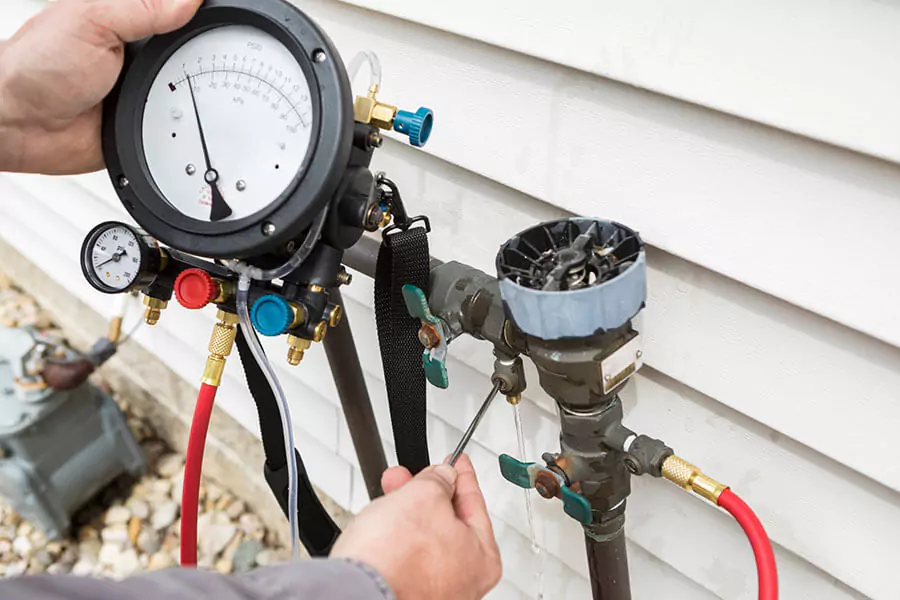
Regular backflow testing helps establish whether a testable prevention assembly is operating within the required parameters. A qualified tester uses specialised equipment and follows the appropriate procedure for that particular device.
The process generally involves identifying the assembly, checking its condition, and measuring how its internal components respond under specified pressure conditions. The results indicate whether the device is performing as intended or needs further attention.
Testing requirements vary according to the type of installation, local regulations, and the water supplier’s rules. Some properties may need periodic testing, while others may have different obligations depending on their risk category.
If you receive a notice requesting a test, don’t put it aside simply because the plumbing appears to be working normally. A backflow device can fail without producing an obvious symptom inside the house.
Keep copies of inspection reports and any paperwork provided by the tester. These records can help you track previous results, identify recurring problems, and demonstrate compliance where required.
Signs That Your Backflow Device May Need Attention
Backflow prevention equipment doesn’t always give homeowners a clear warning when something goes wrong. In many cases, testing is the only reliable way to confirm that a testable assembly is working properly.
Still, there are a few reasons to arrange an inspection. Visible corrosion, leaking connections, damaged components, or water escaping from a device can indicate that maintenance is needed. A failed test or an official notice from your water supplier also deserves prompt attention.
Changes in water pressure or unusual water quality should be investigated, although these symptoms can have many causes unrelated to backflow equipment. Don’t assume that a cloudy tap or a drop in pressure proves a prevention device has failed.
If you suspect contamination, avoid drinking or using the affected water for food preparation until you have received appropriate guidance from your water supplier or local public health authority. Follow any official instructions about alternative water supplies and testing.
Never attempt to dismantle a specialised backflow assembly just to see whether it’s working. The internal components may require precise adjustment, and incorrect handling can leave the device unable to protect the water supply.
Repair or Replacement: Which Is the Better Option?
When a device fails inspection, the next step depends on the cause. Sometimes, a worn seal, damaged valve component, or minor mechanical fault can be corrected. In other cases, corrosion, age, or repeated failures may make replacement the more practical choice.
Professional repair & replacement work should begin with an assessment of the device and its suitability for the installation. A plumber or qualified backflow technician can explain whether the existing assembly can be restored to proper operation or whether a new unit is needed.
The lowest upfront price isn’t necessarily the best long-term option. A repair may be economical if the equipment is otherwise in good condition and replacement parts are available. However, repeated repairs on an ageing assembly can become expensive and unreliable.
Before approving the work, ask what caused the failure, whether the proposed solution meets applicable requirements, and whether another test will be performed afterward. You should also understand any warranty coverage and the expected maintenance schedule.
Once the work is complete, retain the test results and installation details. That information can make future inspections much easier.
Choosing a Reliable Backflow Professional
Backflow equipment isn’t something to leave to guesswork. Look for a plumber or tester with the qualifications required in your area and experience working with the specific type of assembly installed at your property.
A reliable provider should explain the testing process, discuss any problems found, and provide clear documentation. If repairs are recommended, ask for a breakdown of the work and an explanation of why it’s necessary.
You may also want to confirm whether the provider can coordinate testing, maintenance, and follow-up inspections. Using a qualified professional for ongoing backflow services can help you keep track of deadlines and address problems before they become more serious.
Be wary of anyone who claims that every property needs the same device or that a visual inspection alone proves an assembly is functioning properly. Plumbing systems differ, and appropriate protection depends on the actual risk.
Simple Habits That Support Water Safety
Backflow prevention works best as part of a broader approach to plumbing maintenance. Keep garden hoses from sitting in buckets, pools, or containers of chemicals. Make sure irrigation equipment has suitable protection, and avoid making unapproved changes to plumbing connections.
If you install a new sprinkler system, pool connection, or other water-using equipment, ask whether it creates a cross-connection that requires additional safeguards. Don’t assume an existing setup is compliant simply because it has been in place for years.
Most importantly, respond promptly to failed tests, leaks around prevention equipment, and notices from your water supplier.
Protecting the Water You Depend On
Clean water is one of those everyday essentials that’s easy to take for granted. Backflow prevention helps protect that supply by reducing the chance that contaminated water will travel in the wrong direction through your plumbing.
With suitable equipment, regular testing where required, and repairs carried out by qualified professionals, homeowners can manage this risk without making plumbing maintenance unnecessarily complicated.
You don’t need to understand every valve or pressure measurement yourself. You simply need to know that prevention matters, recognise when professional help is needed, and make sure the equipment protecting your water supply receives proper attention.


