Water is one of those everyday essentials that quietly supports almost everything we do. It brews the first cup of coffee in the morning, fills the pot for dinner, washes clothes, keeps the garden alive, and provides a refreshing drink after a long day. Because it’s always there, we rarely stop to wonder what’s actually flowing through our pipes.
The reality is that water can vary significantly from one neighborhood to the next. Even homes that share the same road can experience different water conditions depending on plumbing, groundwater sources, and local treatment methods. Most of the time everything looks perfectly normal, which is exactly why understanding your water quality is so important.
Better water doesn’t happen by chance. It starts with good information, thoughtful decisions, and choosing solutions that fit your home rather than following a one-size-fits-all approach.
Clear Water Doesn’t Always Mean Clean Water
One of the biggest misconceptions about household water is that if it looks clean, it must be free of problems.
Unfortunately, many substances that affect water quality are completely invisible. Minerals, dissolved metals, and naturally occurring elements often have no noticeable taste, smell, or color. You can pour a perfectly clear glass of water that still contains things you’d never know were there without proper testing.
This is especially important for homeowners who rely on private wells. Unlike municipal water systems, private wells are the homeowner’s responsibility, making regular testing an essential part of maintaining a healthy water supply.
Knowing what’s in your water provides confidence instead of assumptions.
Why Regular Water Testing Matters
Most people only think about testing when something seems wrong.
Maybe the water develops an unusual odor, appliances begin collecting scale, or someone notices discoloration around plumbing fixtures. While those situations certainly deserve attention, many water concerns develop quietly and remain unnoticed for years.
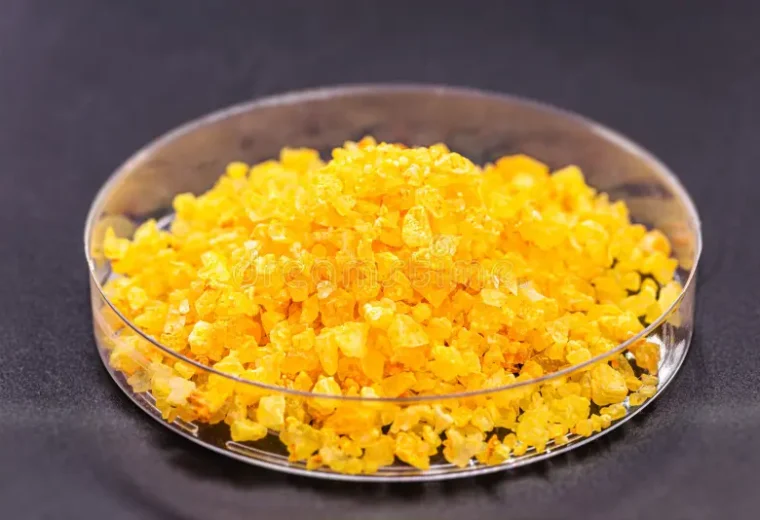
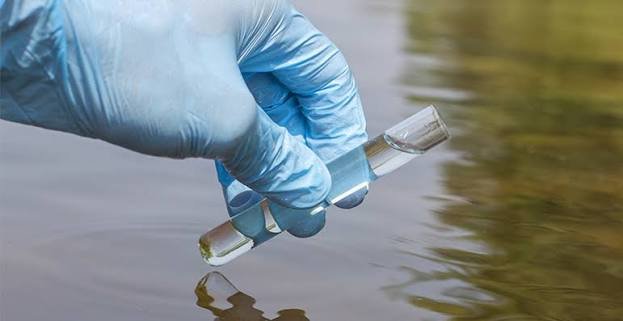
Routine arsenic testing is a good example. Since arsenic typically has no visible warning signs, laboratory analysis is often the only reliable way to determine whether it’s present. Testing also provides valuable information about hardness, pH, iron, manganese, nitrates, and other characteristics that influence both water quality and household equipment.
Instead of wondering whether your water is safe, testing gives you clear answers based on measurable results.
Small Water Problems Can Affect Everyday Living
Water touches nearly every routine inside your home.
You use it to cook meals, wash vegetables, make ice, brush your teeth, shower, clean dishes, and do laundry. Because of that, even subtle water quality issues have a surprising impact on everyday comfort.
Hard minerals leave white spots on glassware. Soap doesn’t rinse as easily. Towels feel rough instead of soft, and coffee may lose some of its natural flavor.
These aren’t dramatic emergencies, but they slowly become part of daily life until homeowners realize cleaner water could make many of these frustrations disappear.
Sometimes the smallest improvements create the biggest difference.
Better Water Means Greater Peace of Mind
One of the greatest benefits of improving water quality isn’t something you can always measure.
It’s confidence.
Families naturally want safe drinking water for cooking, preparing baby formula, filling reusable bottles, and serving guests. Knowing your water has been properly tested and treated removes uncertainty from something you depend on every single day.
That peace of mind becomes part of everyday life.
Instead of buying bottled water or questioning the taste after every heavy rain, you simply turn on the tap and trust what comes out.
There’s real value in that kind of confidence.
Treating the Entire Home Has Long-Term Benefits
Many homeowners begin by improving only their kitchen faucet, which certainly enhances drinking water. But water affects far more than what ends up in a glass.
Showers, washing machines, dishwashers, water heaters, and bathroom sinks all rely on the same water supply.
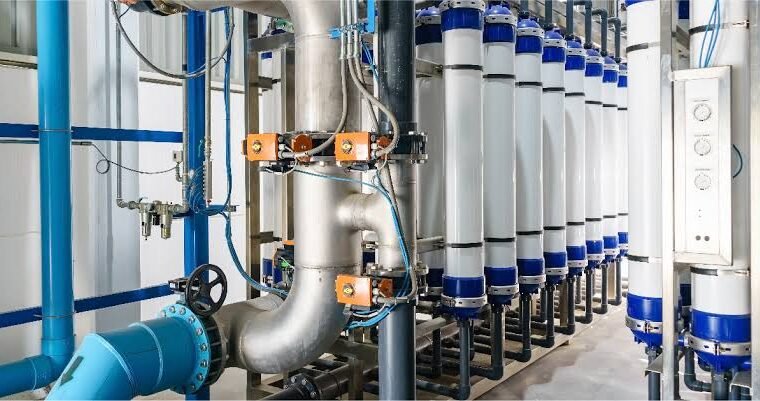
That’s where whole home filtration becomes especially valuable. Rather than treating water at a single location, these systems improve water quality throughout the house, reducing sediment, chlorine, unpleasant odors, and other unwanted substances before they reach fixtures and appliances.
The result isn’t just better water—it’s a home that’s easier to maintain.
Mineral buildup slows down, plumbing stays cleaner, and appliances often perform more efficiently over time.
Choosing the Right Solution Is More Important Than Buying the Biggest One
It’s tempting to believe that the largest or most expensive filtration system automatically provides the best results.
In reality, effective water treatment is all about compatibility.
Every home has different water chemistry, different plumbing, and different priorities. Some households mainly need hardness reduction. Others focus on drinking water quality, while some require specialized treatment for naturally occurring contaminants.
That’s why professional recommendations are usually based on testing results rather than assumptions.
A customized solution almost always performs better than equipment chosen without understanding the water first.
Maintenance Keeps Water Quality Consistent
Installing treatment equipment isn’t the end of the process.
Filters eventually require replacement, treatment media has a service life, and certain systems need occasional inspections to continue performing at their best.
Fortunately, modern equipment is designed with convenience in mind. Routine maintenance is generally straightforward, and many systems include simple indicators that let homeowners know when service is needed.
Keeping everything maintained ensures your investment continues protecting your family year after year.
Better Water Is an Investment in Everyday Comfort
Some home improvements are immediately visible—a remodeled kitchen, fresh landscaping, or new flooring.
Water quality improvements are different.
You notice them through everyday experiences.
Coffee tastes cleaner. Ice cubes become crystal clear. Laundry feels softer. Showering becomes more comfortable. Glasses sparkle instead of showing cloudy residue, and appliances quietly last longer because they’re protected from unnecessary buildup.
Those changes don’t demand attention.
Instead, they quietly improve life one routine at a time.
The Best Water Decisions Begin With Knowledge
The journey toward better water doesn’t begin with purchasing equipment.
It begins with asking questions.
Testing your water, understanding the results, and choosing treatment based on real information creates a foundation for healthier living and smarter long-term decisions.
Whether your goal is protecting your family, extending appliance life, improving taste, or simply enjoying greater confidence every time you turn on the tap, informed choices make all the difference.
After all, water is part of nearly every moment spent at home. Investing a little time in understanding it today can lead to years of cleaner, healthier, and more enjoyable living tomorrow.