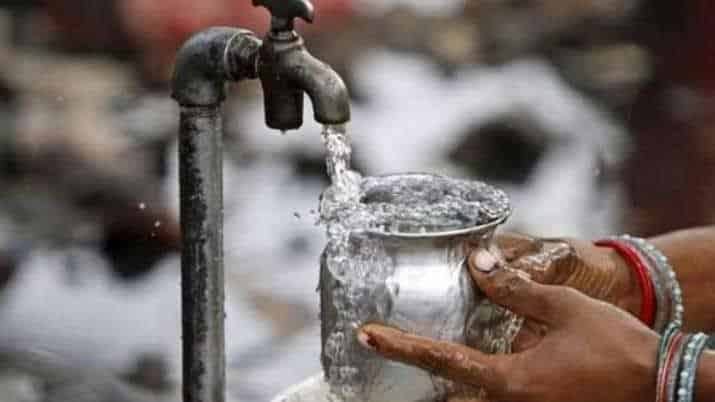
Most people expect their drinking water to be simple: turn on the tap, fill a glass, and move on with the day. But water quality can be more complicated than it looks. Some substances are easy to notice because they change the taste, smell, or appearance. Others are practically invisible, which makes regular testing and informed treatment choices even more important.
This is especially true for households that depend on private wells. Water chemistry can vary from one property to another, and problems that affect one home may not affect the house next door. Understanding a few of the contaminants that can occur in drinking water is a useful first step.
Why Nitrates Deserve Attention
Nitrates can enter groundwater from several sources, including agricultural fertilizers, animal waste, septic systems, and naturally occurring processes. They can be particularly relevant in rural areas where groundwater is closely connected to surrounding land use.
You generally can’t identify elevated nitrate levels by taste, smell, or appearance. That’s what makes testing so important. A glass of clear water can still contain substances that aren’t visible to the naked eye.
If testing shows elevated nitrate levels, the next step is understanding the concentration and choosing a treatment method specifically designed to address it. Not every household filter is capable of reducing nitrates, so checking product specifications is essential.
Understanding Uranium and Radium
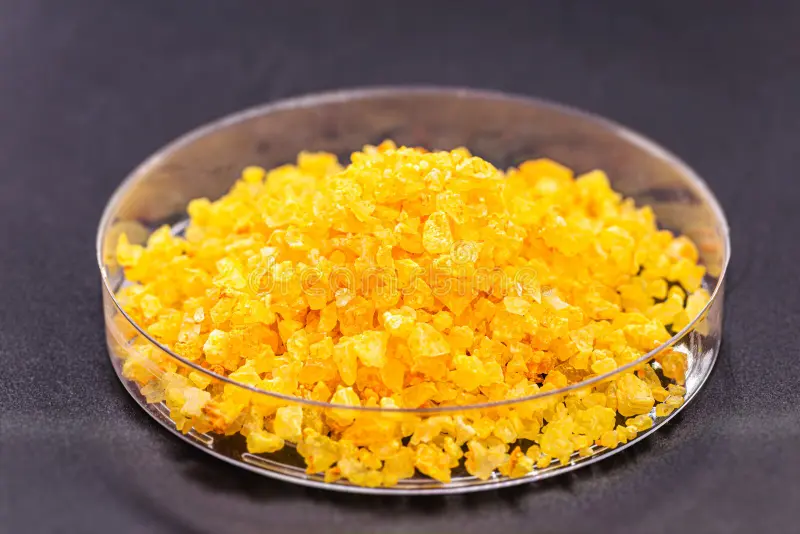
Some groundwater sources contain naturally occurring radioactive elements. Two that may appear in water-quality discussions are Uranium and radium.
These substances can occur naturally in certain geological formations and may enter groundwater as water moves through rock and soil. Their presence isn’t something you can reliably detect by looking at the water.
Testing is therefore the sensible starting point, particularly in areas where local geology makes these contaminants more likely.
If results show a concern, treatment should be selected according to the specific contaminant and concentration. Technologies such as reverse osmosis or specialized filtration may be appropriate in some situations, but a professional assessment can help determine what actually fits the water chemistry.
Newer Contaminants Are Changing the Conversation
Water treatment has always involved understanding what’s present in the water. But the conversation has expanded in recent years as researchers and regulators pay closer attention to substances that weren’t historically tested as widely.
PFAS and emerging contaminants are examples of this broader concern. PFAS refers to a large family of manufactured chemicals that have been used in various industrial and consumer applications. Because some PFAS compounds persist in the environment, they have attracted significant attention in water-quality research and regulation.
The term “emerging contaminants” can cover a wide range of substances, and not all of them behave the same way. That’s why a general-purpose filter shouldn’t automatically be assumed to remove every new or less familiar contaminant.
Testing Comes Before Buying Equipment
It’s understandable to want a quick solution when you’re worried about your water. Search online and you’ll find plenty of systems promising cleaner, safer, better-tasting water.
But buying equipment before identifying the problem can be an expensive gamble.
Water testing provides a much better starting point. Depending on the source and local concerns, a test may look at nitrates, metals, minerals, bacteria, pH, hardness, or other characteristics.
The purpose isn’t to test for every substance imaginable. It’s to gather useful information that can guide a sensible decision.
For private wells, testing is particularly important because homeowners have greater responsibility for monitoring changes in their water source.
One Filter Doesn’t Solve Every Problem
This is an easy mistake to make. A filter may be excellent at reducing one contaminant while doing very little for another.
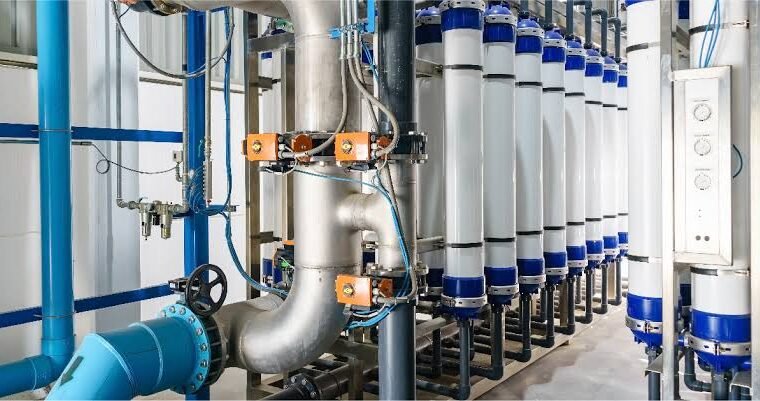
For example, a sediment filter is useful for particles but isn’t designed to remove every dissolved substance. A water softener addresses hardness but isn’t a universal contaminant-removal system. Reverse osmosis can reduce a range of dissolved substances, but its effectiveness depends on the specific contaminant and system design.
Always check what a product is actually certified or tested to reduce.
If a company makes a broad claim that sounds too good to be true, slow down and ask questions.
Private Well Owners Should Stay Informed
Well water can be perfectly suitable for household use, but it deserves regular attention.
Groundwater conditions can change after flooding, heavy rainfall, nearby construction, agricultural activity, or changes to the well structure. A sudden difference in taste, smell, color, or appearance is worth investigating.
Keeping records of previous water tests can also be helpful. Comparing results over time may reveal changes that aren’t obvious from day to day.
If you have young children, are pregnant, or have other household circumstances that make water quality especially important, discussing appropriate testing with a qualified professional can provide additional peace of mind.
Maintenance Is Part of Water Treatment
Installing a treatment system isn’t a “set it and forget it” job.
Filters have to be replaced. Membranes eventually wear out. Treatment media can become exhausted. Equipment may need cleaning, inspection, or servicing.
A system that worked well when first installed may perform poorly if maintenance is ignored.
Keep a simple calendar for filter changes and service appointments. It takes very little effort, and it can prevent the common situation where homeowners suddenly realize they can’t remember the last time a filter was replaced.
Choose Information Over Fear
Water contaminants can sound intimidating, especially when you encounter unfamiliar names and complicated numbers. But there’s no need to make decisions based on fear.
Start with reliable information. Understand your water source. Test when appropriate. Look at the results carefully, and choose treatment equipment designed for the specific problem.
For private wells in particular, staying informed is one of the best things a homeowner can do. Water quality isn’t necessarily a problem just because a contaminant exists somewhere in the environment. What matters is understanding whether it is present in your water and, if so, at what level.
In the end, good water management is less about buying the biggest filtration system and more about making a thoughtful decision. Test first, ask questions, maintain your equipment, and don’t be afraid to get professional advice when the situation is complicated. A little knowledge can go a long way toward keeping your home’s water dependable and giving you one less thing to worry about.